Thinking about birth control when you also have migraines, high blood pressure, or a history of blood clots can feel stressful. You might worry that the wrong choice could make your health problems worse, but you still want reliable protection against pregnancy.
At Clinica Cabrera, Michelle Cabrera and her team help patients every day balance effective birth control with real-life health conditions. This guide walks you through the basics of how certain conditions affect your options, so you can have a more confident, informed conversation with your clinician.
Table of Contents
- 1. Why your health history matters for birth control
- 2. Migraines and birth control
- 3. High blood pressure and birth control
- 4. Blood clot risk and estrogen-containing methods
- 5. Safer birth control options to ask about
- 6. Getting ready for your birth control visit
1. Why your health history matters for birth control
Not all birth control methods are the same, and neither are all bodies. Some methods contain estrogen, some contain only progestin, and others are completely hormone-free. These differences matter when you have certain health conditions.
Conditions like migraines, high blood pressure, and a personal or family history of blood clots can change which options are considered safer for you. The goal is always the same: strong pregnancy protection without adding unnecessary risk to your overall health.
Sharing your full health history helps your clinician recommend methods that work with your body, not against it.
2. Migraines and birth control
Migraines are more than “just bad headaches,” and for some people, hormones play a big role. When it comes to birth control, the type of migraine you have can be especially important.
Things to discuss with your clinician include:
- Whether you have migraine with aura (visual or sensory changes before the headache) or without aura.
- How often you get migraines and how severe they are.
- Any other risk factors, like smoking or high blood pressure.
For some people, certain hormonal methods can actually help make menstrual migraines more predictable or less frequent. For others, especially those with migraine with aura plus additional risk factors, estrogen-containing methods may not be recommended. This is why it’s so important to get individualized guidance instead of guessing on your own.
3. High blood pressure and birth control
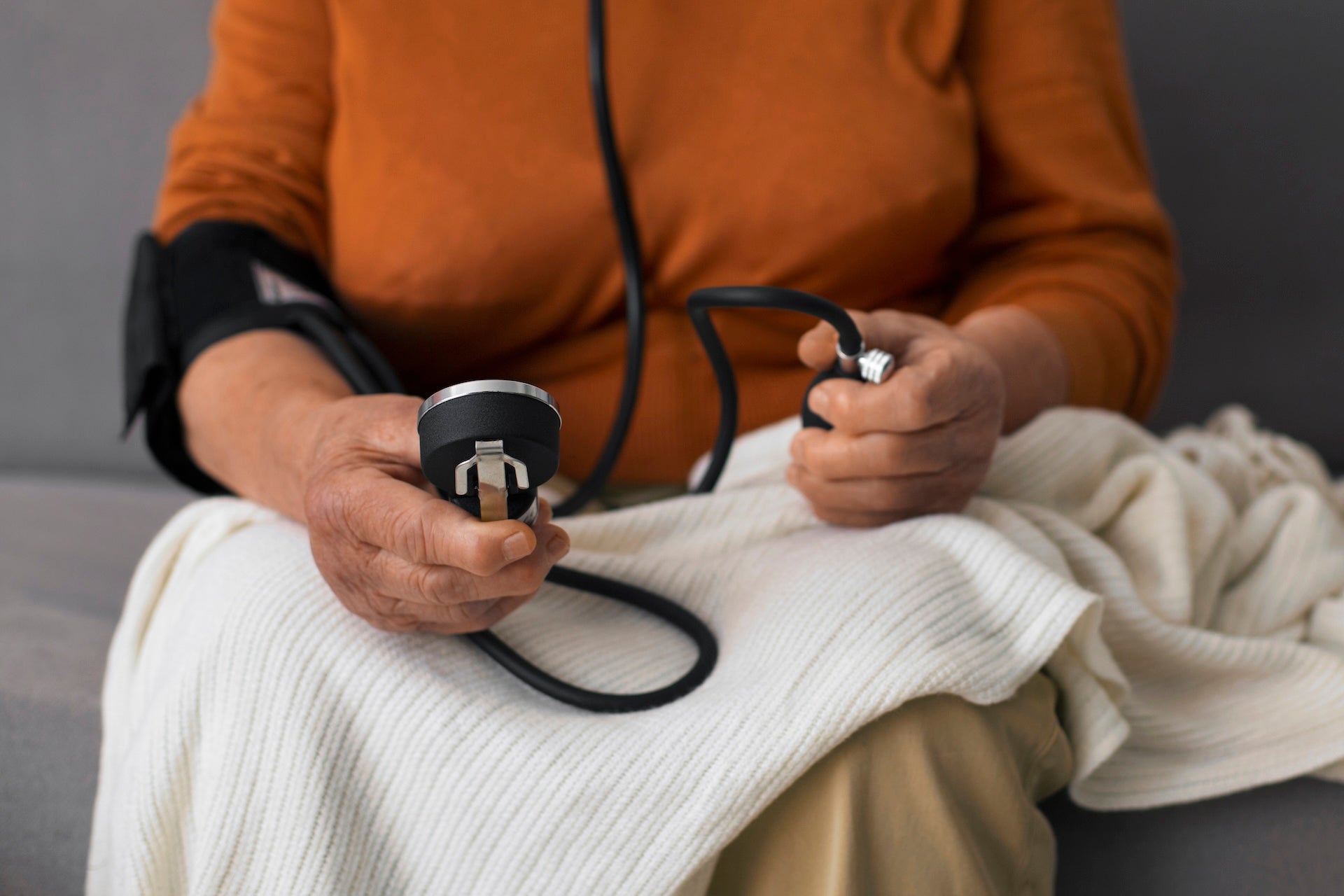
High blood pressure (hypertension) can silently increase the risk of heart attack and stroke. Some birth control methods that contain estrogen may raise blood pressure slightly or add to that risk in certain people.
Before starting birth control, your clinician will likely want to know:
- Your most recent blood pressure readings and how well-controlled they are.
- Which medications you take for blood pressure, if any.
- Whether you have other cardiovascular risk factors, such as diabetes or high cholesterol.
If your blood pressure is well-managed, you may still have a range of options. If it is not well-controlled, your clinician might lean toward methods that do not contain estrogen, or suggest that you focus on stabilizing your blood pressure first. Either way, the goal is safety and good long-term heart and blood vessel health.
4. Blood clot risk and estrogen-containing methods
Some people have a higher risk of blood clots in the legs or lungs because of genetics, past clots, surgery, long periods of immobility, smoking, or other health conditions. Estrogen-containing birth control can slightly increase clot risk, which may be more concerning if your baseline risk is already elevated.
It is especially important to mention if you have:
- A personal history of deep vein thrombosis (DVT) or pulmonary embolism (PE).
- A close family member who had a blood clot at a young age.
- A known clotting disorder or thrombophilia.
- A history of stroke or certain heart problems.
In these situations, your clinician may recommend avoiding estrogen-containing pills, patches, or rings and focus on other methods instead. There are many effective options that do not carry the same level of clot risk.
5. Safer birth control options to ask about
If you have migraines, high blood pressure, or clot risk, it can be reassuring to know that you still have choices. The best option for you will depend on your personal history, but here are some types of methods many clinicians consider in these situations:
- Progestin-only methods: These include progestin-only pills, certain IUDs, the implant, and some injections. They do not contain estrogen, which can be important when clot or blood pressure risk is a concern.
- Hormone-free options: Copper IUDs and barrier methods like condoms or diaphragms avoid hormones altogether, which some people prefer for medical or personal reasons.
- Lifestyle and dual protection: In some cases, combining a non-estrogen method with condoms can balance pregnancy prevention and health priorities.
You don’t have to decide on your own. Your role is to share your health story and preferences; your clinician’s role is to translate that into a list of options, explain the pros and cons, and help you pick a method you feel comfortable with.
6. Getting ready for your birth control visit
A little preparation before your visit can make the conversation faster, clearer, and more helpful. Think of it as bringing a mini health summary to the table.
Before your appointment, it can help to:
- Write down your medical conditions, including migraines, blood pressure issues, past clots, and any heart or neurological concerns.
- List all medications and supplements you take, including doses if you know them.
- Note your most recent blood pressure readings, if you have them.
- Think about what matters most to you: fewer periods, less cramping, convenience, or avoiding certain side effects.
During your visit with Clinica Cabrera, you can expect a collaborative conversation rather than a lecture. The goal is to leave with a birth control plan that respects both your health conditions and your everyday life, so you can feel protected and supported—not worried or confused.




Share: