Choosing a birth control method is a very personal decision, and feeling a bit overwhelmed is completely normal. At Clinica Cabrera, Michelle Cabrera and her team support each patient step by step to find the option that fits her body, lifestyle, and family plans.
In this article, we’ll walk through the most common hormonal options many patients ask about: birth control pills, the patch, and the vaginal ring. The goal is not to make you an expert in every method, but to give you a clear, friendly overview so you can talk confidently with your provider and make the best choice for you.
Table of Contents
- 1. Before choosing: what to consider
- 2. Birth control pills: daily routine
- 3. Birth control patch: weekly option
- 4. Vaginal ring: monthly and discreet
- 5. How effective are these methods?
- 6. How to decide what’s best for you
- 7. When to book an appointment with Clinica Cabrera
1. Before choosing: what to consider
There is no single “perfect” birth control method for everyone. The best method is the one that works well for your health, your preferences, and your current stage of life.
Before choosing, it helps to think about:
- Your age and whether you’ve been pregnant before.
- How long you want to avoid pregnancy (a few months, several years, or you’re not sure yet).
- Your daily habits: are you very organized, do you travel often, do you work long or irregular shifts?
- Your medical history, including migraines, blood clots, high blood pressure, smoking, or other conditions.
- How you feel about using something on your skin or inside your vagina.
Being open and honest with your healthcare provider makes a big difference. The more they know about your health and lifestyle, the easier it is to recommend a method that truly fits you.
2. Birth control pills: daily routine
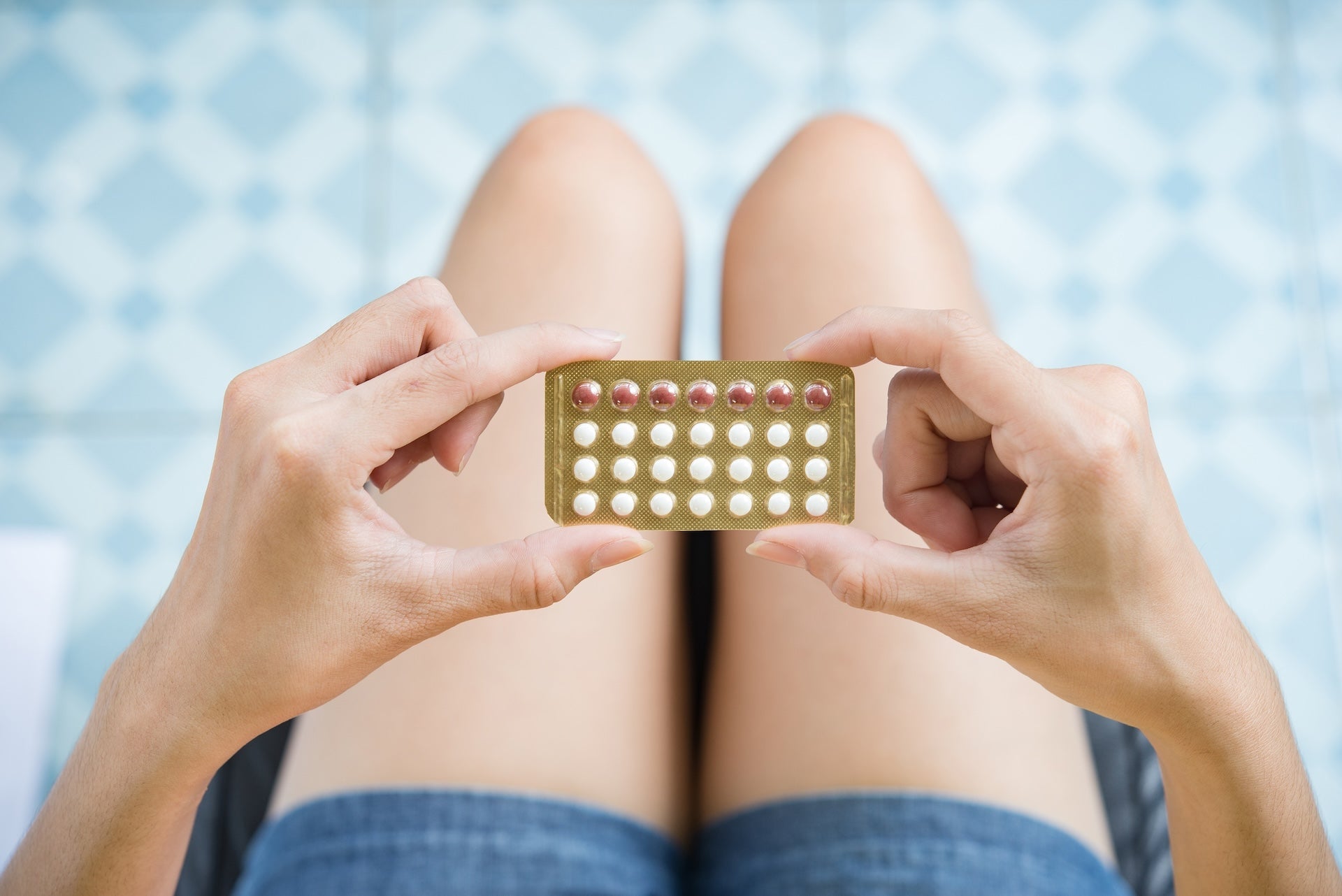
Birth control pills (often called “the pill”) are taken by mouth every day, usually at about the same time. Many people like them because they’re familiar, easy to stop when you want to try for a pregnancy, and can help regulate periods.
Potential benefits of the pill:
- Can make periods more regular and lighter.
- May reduce cramps and, for some people, improve acne.
- Can be stopped when you are ready to try to get pregnant.
Potential downsides of the pill:
- You need to remember a pill every single day; forgetting can lower effectiveness.
- Not everyone can safely use pills with estrogen, especially some people with migraines, clotting problems, or those who smoke and are over 35.
- Possible side effects include mild nausea, breast tenderness, or mood changes, which often improve after the first few months.
The pill tends to work well for people who like a daily routine and do not have medical reasons to avoid estrogen-containing birth control.
3. Birth control patch: weekly option
The birth control patch is a small sticker you place on your skin (for example, your abdomen, upper arm, back, or buttock). It releases hormones through the skin and is changed once a week for three weeks, followed by one patch-free week.
Potential benefits of the patch:
- You only need to think about it once a week instead of every day.
- Provides a steady dose of hormones while it is in place.
- Discrete and easy to use, especially if placed where it’s covered by clothing.
Potential downsides of the patch:
- It can sometimes cause mild skin irritation or redness where it sticks.
- It usually contains estrogen, so it shares some of the same medical restrictions as combination pills.
- You need to make sure it doesn’t loosen or fall off, especially with sweat, heat, or certain activities.
The patch can be a great choice if you want something low-maintenance but still fully under your control, without any in-office procedures.
4. Vaginal ring: monthly and discreet
The vaginal ring is a soft, flexible ring that you place inside your vagina. It slowly releases hormones for three weeks. You remove it for one week (when you usually get your period), then insert a new ring on schedule.
Potential benefits of the vaginal ring:
- Only needs attention once a month.
- Because the hormones are delivered through the vagina, the total dose can be lower than some pills.
- Most people and their partners don’t feel it or only notice it slightly during sex.
Potential downsides of the vaginal ring:
- Some people feel unsure about putting something inside the vagina at first.
- It can increase vaginal discharge in some users.
- Like many combination methods, it may not be suitable for certain medical conditions.
The ring is a good option if you want a method you control yourself, but don’t want to remember something daily or even weekly.
5. How effective are these methods?
When used exactly as directed, the pill, patch, and ring are all highly effective at preventing pregnancy. In real life, missed pills, late patch changes, or forgetting to replace a ring on time can lower protection.
Effectiveness improves when you:
- Take your pill at the same time every day without skipping doses.
- Change your patch on the correct day each week.
- Insert and remove your ring according to the schedule recommended by your provider.
None of these hormonal methods protect against sexually transmitted infections (STIs). If STI protection is important for you, using condoms along with your chosen method is still very important.
6. How to decide what’s best for you
The best way to decide is to combine your medical information with your personal preferences. Before your visit at Clinica Cabrera, it can help to ask yourself:
- Do I feel comfortable remembering something every day, or would weekly or monthly be easier?
- Am I okay with placing something inside my vagina, or would I rather use a pill or a patch?
- Do I have health conditions like migraines, blood clots, or high blood pressure that my provider should know about?
- Would I like my period to be lighter or more predictable?
Once your provider understands your answers and your health history, they can explain which methods are safest and most convenient for you. Your birth control choice is not permanent; if something doesn’t feel right, you can always schedule a follow-up with Michelle Cabrera to explore other options.
7. When to book an appointment with Clinica Cabrera
It’s a good idea to book an appointment at Clinica Cabrera if:
- You are starting or restarting sexual activity and want reliable protection.
- You have recently had a baby and want to plan the timing of future pregnancies.
- You’re unhappy with your current method or having bothersome side effects.
- You’ve been diagnosed with a new medical condition and want to make sure your method is still safe.
At Clinica Cabrera, Michelle Cabrera and her team offer warm, non-judgmental care and clear guidance to help you find the birth control method that gives you confidence and peace of mind.




Share: