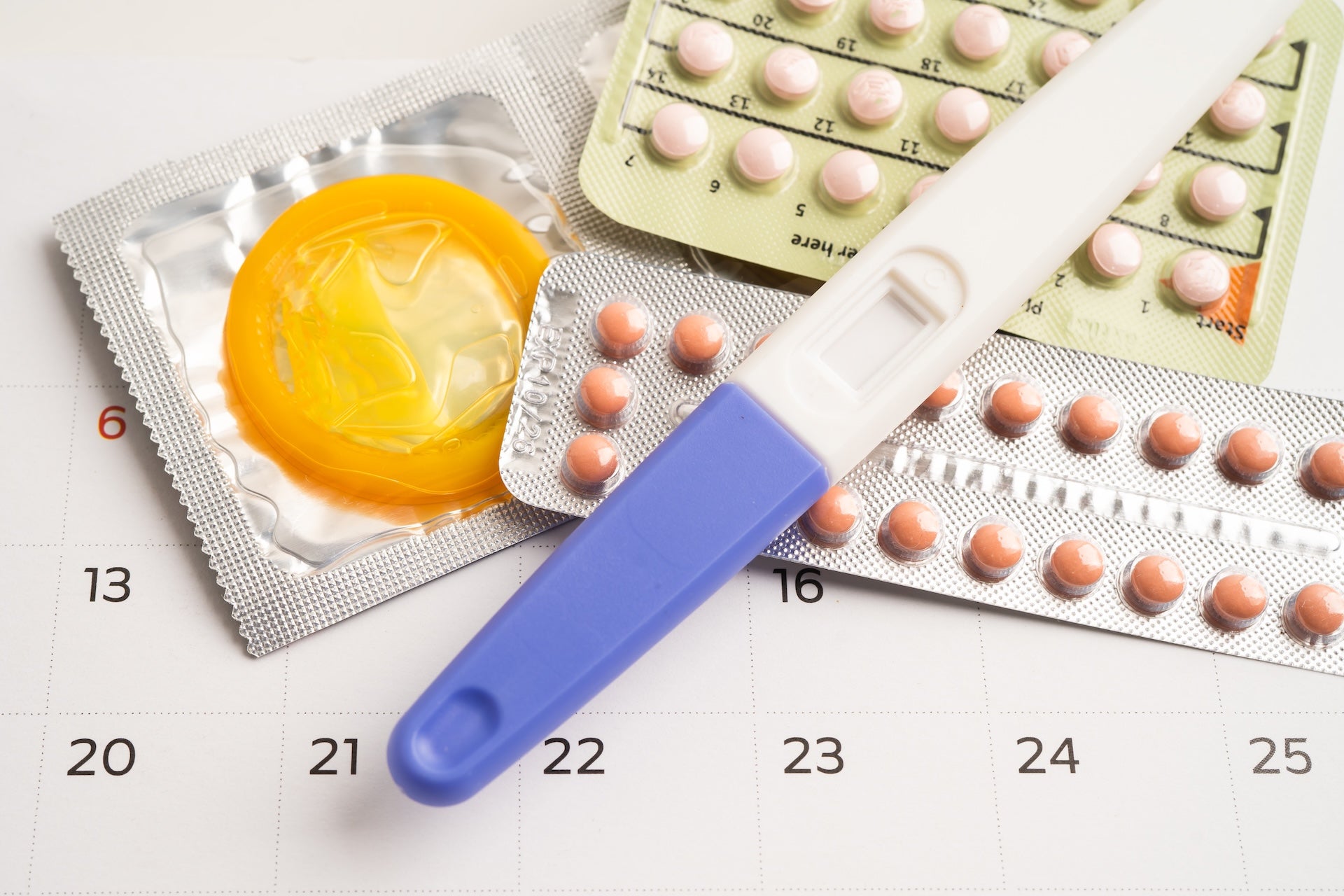
Had unprotected sex or a birth control slip-up and now you’re worried about pregnancy? Take a deep breath. You still have options. Emergency contraception can help lower the chance of pregnancy after the fact, and this guide will walk you through what it is, how it works, and what to do next.
At Clinica Cabrera, our goal is to give you clear, judgment-free information so you can make the best decision for your body. Emergency contraception is time-sensitive, but you don’t have to figure it out alone.
Table of Contents
- 1. What is emergency contraception?
- 2. When should you use it?
- 3. Types of emergency contraception
- 4. What to expect after taking it
- 5. What emergency contraception is NOT
- 6. Next steps: choosing regular birth control
1. What is emergency contraception?
Emergency contraception (often called “EC” or the “morning-after pill”) is a way to help prevent pregnancy after unprotected sex or a birth control problem. It is meant for emergencies, not as your main form of birth control.
Emergency contraception works mainly by delaying or preventing ovulation (when the ovary releases an egg). If no egg is released, sperm cannot fertilize it, and pregnancy is much less likely.
2. When should you use it?
You may want to use emergency contraception if:
- You had sex without using any birth control.
- Your condom broke, slipped, or was used incorrectly.
- You forgot multiple birth control pills or started a new pack very late.
- Your patch or ring was off or out for longer than recommended.
- You were forced to have sex without protection.
Emergency contraception is more effective the sooner you use it. Ideally, you should take it as soon as possible after unprotected sex. Some options work up to several days later, but waiting reduces their effectiveness.
3. Types of emergency contraception
There are two main categories of emergency contraception: pills and the copper IUD. Not every option will be right for every person, so it’s helpful to know the basics.
3.1 Emergency contraception pills
These are tablets you take by mouth after unprotected sex. There are two common types:
- Pills available without a prescription (in many places): Often taken as a single dose. They work best within 72 hours (3 days) after unprotected sex, but some may be used up to 5 days, with decreasing effectiveness over time.
- Pills that usually require a prescription: These are designed to work up to 5 days after unprotected sex and tend to be more effective later in that time window compared to some over-the-counter options.
In general, the sooner you take an emergency contraception pill, the better it works. If you vomit within a couple of hours after taking the pill, you may need another dose, so it’s important to contact a clinician if that happens.
3.2 Copper IUD as emergency contraception
The copper intrauterine device (IUD) is a small, hormone-free device that a clinician places inside your uterus. It can be used as emergency contraception if inserted within a certain number of days after unprotected sex (commonly up to 5 days).
Benefits of the copper IUD for emergency contraception include:
- Very high effectiveness at preventing pregnancy when used as EC.
- Provides long-term birth control for several years once inserted.
- No hormones, which can be helpful if you prefer or need non-hormonal options.
The main drawback is that it requires an in-person procedure, so it’s not as immediate as picking up a pill for some people. However, if you can access it in time and want ongoing protection, it can be an excellent choice.
4. What to expect after taking it
After using emergency contraception, your body may react in a few normal ways:
- Your next period may come earlier or later than usual.
- You might notice changes in flow (lighter or heavier than normal).
- You could have short-term side effects like nausea, tiredness, headache, or breast tenderness.
Most side effects are mild and go away on their own. If your period is more than about a week late after using emergency contraception, it’s a good idea to take a pregnancy test.
If you had a copper IUD placed, you may feel cramping or spotting after insertion, which usually improves over time. Your clinician will explain what is normal and when to seek follow-up care.
5. What emergency contraception is NOT
There are many myths about emergency contraception. Here is what it does not do:
- It does not end an existing pregnancy.
- It does not cause abortion.
- It does not protect you from sexually transmitted infections (STIs).
- It is not meant to be used as your main, regular birth control method.
Think of emergency contraception as a safety net for when something goes wrong, not the main plan. For ongoing pregnancy prevention, a regular birth control method is more effective, convenient, and cost-efficient over time.
6. Next steps: choosing regular birth control
After an emergency, many people realize they want a more reliable, easy-to-use birth control method going forward. This is the perfect time to talk with a clinician about your options.
In a regular birth control visit, you can discuss:
- Your health history and any conditions that affect which methods are safest.
- How often you want to think about birth control (daily, weekly, monthly, or even less often).
- Whether you prefer hormonal or non-hormonal options.
- Your period goals, like lighter bleeding, more regular cycles, or less cramping.
Clinica Cabrera offers convenient telehealth services for birth control in multiple states as we expand. Whether you need emergency contraception guidance or you’re ready to choose a long-term method, you deserve respectful, clear information and a plan that fits your life.



Compartir: