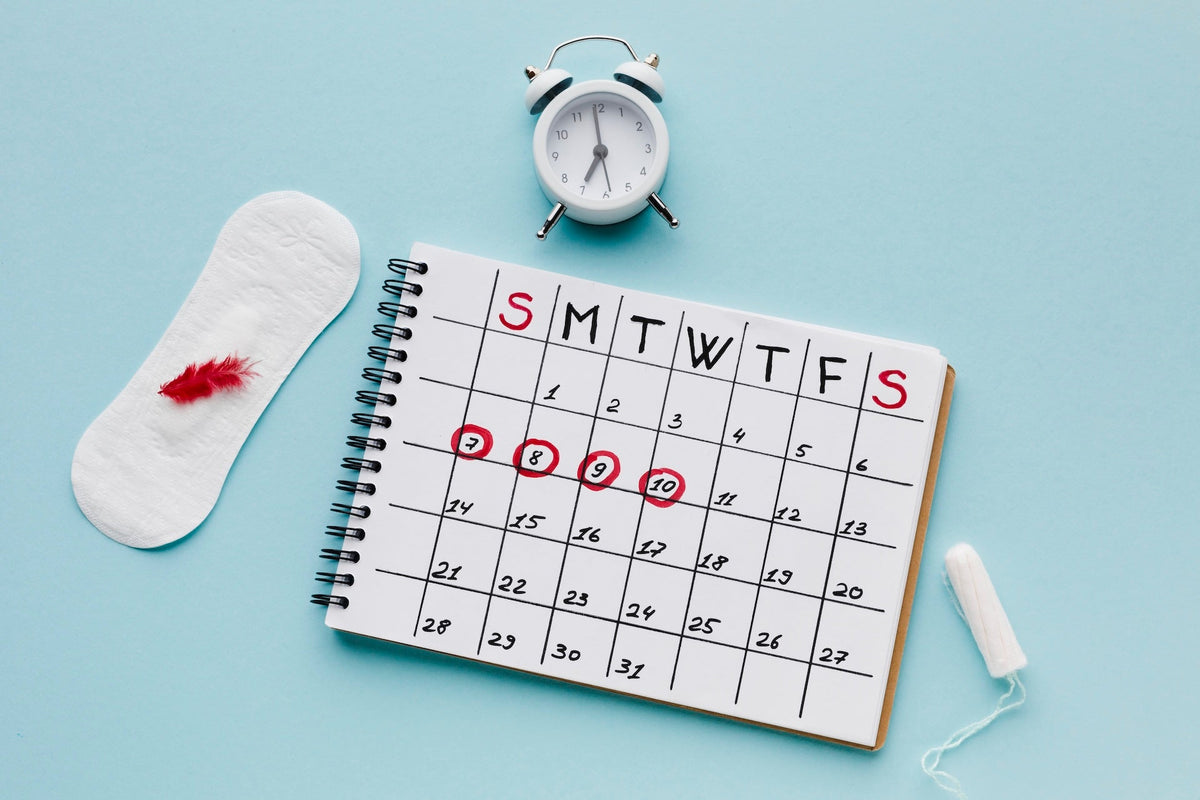
Period-delay medication can be a convenient option when you want more control over your cycle before a vacation, wedding, athletic event, honeymoon, religious occasion, or other important moment. For many adults, a clinician-prescribed hormonal medication may temporarily postpone menstrual bleeding when it is used correctly and at the right time.
Knowing what to expect before, during, and after treatment can help you feel prepared. At Clinica Cabrera, Michelle Cabrera provides supportive telehealth visits to help you understand your options, review your health history, and decide whether period-delay medication is appropriate for your needs.
Table of Contents
- What is period-delay medication?
- Why do people use period-delay medication?
- What to expect before you start
- When should you start period-delay medication?
- What to expect while taking it
- Common side effects and changes
- What if you have spotting or bleeding?
- What happens after you stop taking it?
- Does period-delay medication prevent pregnancy?
- Travel and event planning tips
- When to contact a clinician
- How Clinica Cabrera can help
What Is Period-Delay Medication?
Period-delay medication is a prescription hormonal treatment that may temporarily postpone menstrual bleeding. It is often used when someone wants to delay a period for a short time rather than change their long-term birth control plan.
One common approach uses a progesterone-based medication. When taken as prescribed, it can help maintain hormonal signals that delay the shedding of the uterine lining. In simple terms, it helps postpone the bleeding that would normally happen during your period.
Period-delay medication is not right for everyone. The best approach depends on your health history, current medications, menstrual cycle, pregnancy risk, and whether you already use hormonal birth control.
Why Do People Use Period-Delay Medication?
There are many practical and personal reasons to want to delay a period. Choosing to postpone menstrual bleeding can help some people feel more comfortable, confident, and prepared during an important time.
- Travel: Vacations, cruises, long flights, camping trips, and other travel plans.
- Special occasions: Weddings, honeymoons, family celebrations, graduations, and photo shoots.
- Sports and fitness: Races, tournaments, endurance events, competitions, and performances.
- Religious or cultural events: Ceremonies or practices where menstruation may affect participation.
- Personal comfort: Avoiding cramps, heavy bleeding, fatigue, or other period symptoms at a specific time.
Period delay is a personal choice. A consultation can help you decide whether it is a safe and realistic option based on your plans and health needs.
What to Expect Before You Start
Before prescribing period-delay medication, a clinician will want to understand your situation. This review is an important part of safe care and helps make sure the medication is appropriate for you.
Be ready to discuss:
- The first day of your last period and when you expect your next period
- Whether your cycles are regular or unpredictable
- Your current birth control method, if any
- Whether pregnancy is possible
- Your medical conditions, allergies, and past surgeries
- All prescription medicines, over-the-counter products, vitamins, and supplements
- Any history of blood clots, migraine with aura, high blood pressure, liver disease, or unexplained vaginal bleeding
Your clinician may recommend a pregnancy test if pregnancy is possible. Period-delay medication is not intended to treat a missed period when pregnancy has not been ruled out.
When Should You Start Period-Delay Medication?
Timing is one of the most important parts of delaying your period successfully. In many cases, medication needs to be started before your expected period begins. Waiting until bleeding has already started may make it harder to delay or stop the flow.
The exact start date and schedule depend on the medication you are prescribed and your expected period date. This is why planning ahead matters. If you know you have an upcoming trip, event, or competition, schedule a telehealth visit as early as possible.
Try not to rely on last-minute solutions or unproven home remedies. Personalized clinical guidance gives you the best chance of having a smooth and predictable experience.
What to Expect While Taking It
When you take period-delay medication as prescribed, you may not have your usual period while you are on the medication. Some people have no bleeding at all, while others may notice light spotting or brown discharge.
Continue taking the medication exactly as directed until you are ready for bleeding to return or until your clinician tells you to stop. Set phone reminders so you do not forget doses, especially if you are traveling, busy, or in a different time zone.
Do not take extra medication to make up for a missed dose unless you have been told to do so. If you miss a dose, contact your clinician or pharmacist for guidance.
Common Side Effects and Changes
Many people tolerate period-delay medication well, particularly when it is used for a short time. Still, hormonal medication can cause side effects, and everyone’s experience is different.
Possible side effects may include:
- Light spotting or breakthrough bleeding
- Bloating or mild fluid retention
- Breast tenderness
- Nausea or mild stomach discomfort
- Headache
- Changes in mood or energy
- Acne or skin changes
These effects are often mild and temporary. If a side effect feels severe, lasts longer than expected, or interferes with your daily life, contact a healthcare professional for advice.
What If You Have Spotting or Bleeding?
Light spotting or breakthrough bleeding can happen while taking period-delay medication. It may look like pink, red, or brown discharge. Spotting can be more likely if medication is started late, doses are missed, or your body is adjusting to a hormonal change.
Spotting does not always mean the medication is not working. However, you should contact your clinician if bleeding becomes heavy, painful, persistent, or significantly different from what you were told to expect.
Seek prompt medical care if you are soaking through pads or tampons every hour for several hours, have severe pelvic pain, feel faint, or think you may be pregnant.
What Happens After You Stop Taking It?
After you stop period-delay medication, your hormone levels change and bleeding commonly returns within a few days. The exact timing varies from person to person. Some people notice a lighter or heavier flow than usual, while others return to their typical pattern quickly.
Your next period may not arrive on the exact date you expected before treatment. That does not automatically mean there is a problem. Travel, stress, illness, changes in exercise, and hormonal medication can all affect cycle timing.
If your period does not return as expected, pregnancy is possible, or you have concerns about persistent bleeding, contact a clinician for guidance.
Does Period-Delay Medication Prevent Pregnancy?
Not always. Some medications used to delay a period are not birth control and do not protect against pregnancy. If you are sexually active and do not want to become pregnant, use a reliable contraceptive method and discuss your needs during your consultation.
If you already use birth control pills, the patch, or the vaginal ring, you may have a different option for delaying withdrawal bleeding. In some cases, continuous use of your current method may be considered under clinical guidance.
Do not assume that period-delay medication provides pregnancy protection simply because it is hormonal. Your clinician can explain what your prescribed treatment does and does not do.
Travel and Event Planning Tips
A little preparation can make using period-delay medication more convenient, especially when you are away from home.
- Schedule your consultation well before your trip or event.
- Take medication exactly as prescribed and set reminders on your phone.
- Pack enough medication for your full trip, plus extra in case of delays.
- Keep medication in its original labeled container.
- Carry your medication in a personal bag rather than checked luggage.
- Bring period products in case you have light spotting or unexpected bleeding.
- Know how to contact your clinician or pharmacy if you miss a dose.
Even when period delay works as planned, having a small backup kit can help you feel more confident and comfortable.
When Should You Contact a Clinician?
Contact a healthcare professional if you have questions about when to start or stop medication, miss a dose, begin a new medication, or have bleeding that is heavier than expected.
You should also seek urgent medical care for chest pain, shortness of breath, coughing up blood, sudden swelling or pain in one leg, severe headache, vision changes, trouble speaking, fainting, severe pelvic pain, or symptoms of a severe allergic reaction.
These symptoms are uncommon, but they need prompt evaluation. It is always better to ask for medical advice when something does not feel right.
How Clinica Cabrera Can Help
At Clinica Cabrera, Michelle Cabrera offers convenient telehealth care for adults who want clear, compassionate guidance about period delay. Your consultation is designed to help you understand your choices and decide whether medication is a safe fit for your timeline and health history.
During your visit, Michelle Cabrera can review your expected period date, current medications, birth control use, pregnancy risk, medical history, and event plans. If treatment is appropriate, you can receive individualized instructions about timing, possible side effects, and what to expect after stopping medication.
Whether you are preparing for travel, a wedding, a race, or another important occasion, personalized care can help you make an informed choice with confidence.
Ready to discuss your options? Schedule a Period Delay Telehealth visit with Clinica Cabrera for personalized guidance from Michelle Cabrera.




Share: